Category: Home services

  • A Practical Guide to Salt-Free Water Conditioning and Hard Water Problems

    A Practical Guide to Salt-Free Water Conditioning and Hard Water Problems

    Hard water is one of those household problems that rarely announces itself all at once. Instead, it leaves clues. A cloudy glass after washing, stiff towels, dry-feeling skin, or a white ring around the bathroom faucet can all point toward minerals in the water. Over time, these small annoyances may become expensive maintenance issues, especially when plumbing fixtures and appliances begin collecting deposits.

    Many homeowners looking for a simpler alternative to traditional softening systems eventually explore salt-free water conditioning. These systems are often promoted as a low-maintenance way to reduce the effects of hardness without adding salt to the water. But how do they work, and are they suitable for every home? Understanding the basics can help you make a more informed decision.

    What Makes Water Hard?

    Water hardness mainly comes from naturally occurring calcium and magnesium. As groundwater moves through soil and rock, it can dissolve minerals and carry them into wells and municipal water supplies. The amount varies by region, which is why some homes experience severe hardness while others barely notice it.

    Hard water is not automatically unsafe to drink. In fact, calcium and magnesium are naturally occurring minerals. The concern is usually related to household performance rather than immediate health effects. Hard water can interfere with soap, leave spots on dishes, and create deposits inside water heaters, pipes, and appliances.

    The problem becomes more noticeable when water is heated. As temperature rises, dissolved minerals can separate from the water and settle onto surfaces. This is one reason showerheads, kettles, coffee machines, and water heaters often show signs of mineral accumulation first.

    Understanding Hard Water Minerals

    The main hard water minerals responsible for these issues are calcium and magnesium. When they interact with soap, they can create a sticky residue commonly called soap scum. This residue may appear on shower walls, bathtubs, sinks, and even freshly washed skin.

    Hardness can also affect laundry. Detergents may not work as efficiently, and clothes can feel rough or look dull after repeated washing. Towels, in particular, may lose their softness. If you’ve ever washed a towel that somehow feels less comfortable than before, hard water could be part of the explanation.

    Kitchen appliances can suffer, too. Coffee makers, dishwashers, and electric kettles often heat water repeatedly, giving minerals more opportunities to settle. Without regular cleaning, deposits can affect performance and shorten the useful life of equipment.

    The severity depends on the hardness level, water temperature, usage, and the type of appliance. A water test is the best way to determine whether hardness is mild, moderate, or high.

    What Is Scale Buildup?

    One of the most visible effects of hard water is scale buildup. Scale is a crusty deposit that forms when dissolved minerals come out of the water and attach to surfaces. It may appear white, gray, or slightly yellow, depending on the water chemistry and other substances present.

    Common locations include faucet aerators, showerheads, water heaters, washing machine connections, and the inside of pipes. In bathrooms, scale can make fixtures look permanently dirty even after cleaning. In appliances, it may reduce heating efficiency and restrict water flow.

    Water heaters are especially vulnerable because minerals can settle at the bottom of the tank or coat heating elements. This may force the equipment to work harder, increasing energy use and creating additional wear. In tankless systems, scale can interfere with heat exchangers and water pathways.

    Regular descaling can help, but cleaning only addresses the deposits already present. If hard water continues entering the home, the problem will likely return.

    How Salt-Free Water Conditioning Works

    Salt-free conditioners generally do not remove calcium and magnesium from water in the same way a traditional salt-based softener does. Instead, many use a process called template-assisted crystallization, or TAC. The technology encourages hardness minerals to form microscopic crystals that remain suspended in the water rather than attaching easily to plumbing surfaces.

    The goal is to reduce the ability of minerals to create hard scale. The minerals remain in the water, but they may be less likely to form the stubborn deposits associated with untreated hardness.

    This distinction is important. A salt-free conditioner is usually considered a scale-control device, not a conventional water softener. It does not necessarily produce the same slippery water feel associated with softened water, and it does not remove hardness minerals from the supply.

    For homeowners who want to reduce scale without using salt, electricity, or frequent regeneration cycles, this approach can be appealing. Many systems require relatively little maintenance beyond replacing or servicing the media according to the manufacturer’s instructions.

    Benefits of a Salt-Free Approach

    Salt-free conditioning offers several potential advantages. First, it does not require bags of salt, which can be inconvenient to store and carry. There is also no traditional regeneration cycle that sends concentrated brine into a drain.

    Because these systems generally do not remove hardness minerals, they may be a practical choice for homeowners who want to preserve the mineral content of their water while reducing scale-related concerns. They can also be attractive for households seeking a system with simple operation and fewer moving parts.

    Another benefit is that salt-free systems typically do not require the same amount of ongoing attention as traditional softeners. Depending on the model, homeowners may not need to monitor salt levels or schedule regular regeneration settings.

    Still, performance varies. Not every salt-free product works equally well, and results can depend on water chemistry, flow rate, temperature, and the level of hardness. A product should be selected based on testing and documented performance rather than broad advertising claims.

    Salt-Free Conditioner or Traditional Softener?

    The choice depends on what you want the system to accomplish.

    A traditional salt-based softener actually reduces calcium and magnesium through ion exchange. This can improve soap performance, reduce hardness-related residue, and change the feel of the water. It is often suitable for homes with significant hardness and a strong desire for softened water throughout the property.

    A salt-free conditioner focuses mainly on scale prevention. It may help protect plumbing and appliances from certain deposits, but it does not remove hardness. If your primary concern is scale on fixtures and water-heating equipment, conditioning may be worth considering. If you want lower hardness levels or a different water feel, a conventional softener may be more appropriate.

    In some situations, filtration and conditioning can also be combined. For example, a sediment filter may protect the conditioning media, while a carbon filter can address chlorine, taste, or odor concerns.

    Consider Testing and Maintenance

    Before purchasing any equipment, have the water tested. Hardness is only one part of the picture. Sediment, iron, manganese, chlorine, pH, and other factors can affect system performance and determine whether pre-treatment is necessary.

    Ask the installer about expected scale reduction, operating limits, replacement schedules, warranty coverage, and service requirements. It is also helpful to confirm whether the system has been independently tested for the claims being made.

    Even low-maintenance equipment needs attention. Filters may require replacement, media may have a service life, and plumbing connections should be inspected for leaks. A system that is ignored for years may not perform as expected.

    A Smarter Way to Manage Hard Water

    Hard water may be a common household issue, but the right solution depends on the actual water conditions and the problems you are experiencing. Salt-free conditioning can offer a convenient approach to scale control, particularly for homeowners who prefer to avoid salt and regeneration cycles. However, it should not be confused with a system that removes hardness minerals.

    Start with testing, understand the difference between conditioning and softening, and choose equipment based on realistic expectations. When properly selected and maintained, a water treatment system can help reduce cleaning frustrations, protect appliances, and make everyday household care a little easier.

    Sometimes, the best home improvement is the one that quietly prevents problems before they become expensive. Water conditioning may not be the most visible upgrade, but its value can show up in cleaner fixtures, better appliance performance, and fewer hard-water headaches over time.
  • Choosing Better Water Treatment for a Healthier, More Comfortable Home

    Choosing Better Water Treatment for a Healthier, More Comfortable Home

    Water is one of those things we rarely think about until something goes wrong. A strange taste in the glass, white spots on the shower door, dry skin after a bath, or a kettle that seems to collect scale overnight can all be little clues that the water in your home needs some attention.

    The good news is that improving household water quality doesn’t always mean making a complicated decision. There are several water treatment options available today, and the right choice depends on what’s actually happening with your water, how much you use, and what you want to improve.

    For some households, filtration is the main concern. For others, hard water is the bigger headache. Understanding the difference can save you money and prevent you from buying equipment that doesn’t really solve the problem.

    Start by Understanding Your Water

    Before choosing any treatment system, it’s worth finding out what’s in your water. Hardness, sediment, chlorine, minerals and other contaminants can vary considerably from one location to another. Even two homes in the same neighborhood may experience slightly different issues depending on their plumbing and water source.

    A basic water test can provide useful information. If you’re dealing with municipal water, your local water provider may publish quality reports. Private well owners generally need to take testing more seriously because groundwater conditions can change over time.

    The important thing is not to guess. If your problem is primarily hard water, a standard drinking-water filter may not address it. Likewise, if you’re worried about a particular contaminant, simply installing a softener isn’t necessarily the answer.

    It sounds obvious, but choosing equipment based on the actual problem is probably the most important step.

    When Renting a Filtration System Makes Sense

    Not everyone wants to purchase a water treatment system outright. Maybe you’re renting your home, you’re not sure how long you’ll stay, or you simply want to try a system before making a larger commitment.

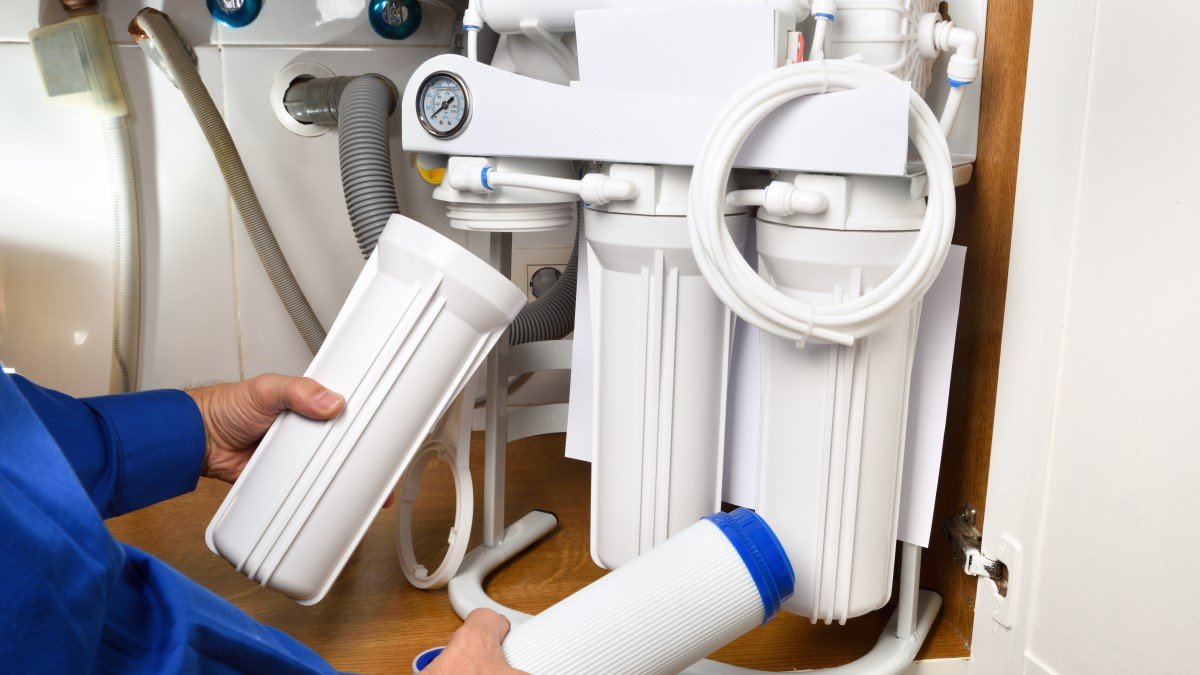
    In those situations, the option to rent a water filtration system can be worth considering. Rental arrangements may spread the cost over time and sometimes include maintenance or filter replacement, depending on the provider. For households that prefer predictable monthly expenses, that can be appealing.

    Still, don’t sign up based only on a low monthly payment. Look at the full agreement. Find out how long the contract lasts, what maintenance is included, how frequently filters are replaced and whether there are installation or cancellation charges.

    It’s also useful to ask what happens if the equipment stops working. A filtration system is supposed to make life easier, not become another household problem that you’re responsible for chasing.

    Hard Water Is More Than an Annoyance

    Hard water is common in many areas and is usually caused by dissolved minerals, particularly calcium and magnesium. These minerals aren’t necessarily something to panic about, but they can create plenty of practical frustrations around the house.

    Soap may struggle to lather properly. Showerheads and faucets can develop chalky deposits. Glassware may come out of the dishwasher looking cloudy. Over time, mineral buildup can also affect appliances and plumbing components.

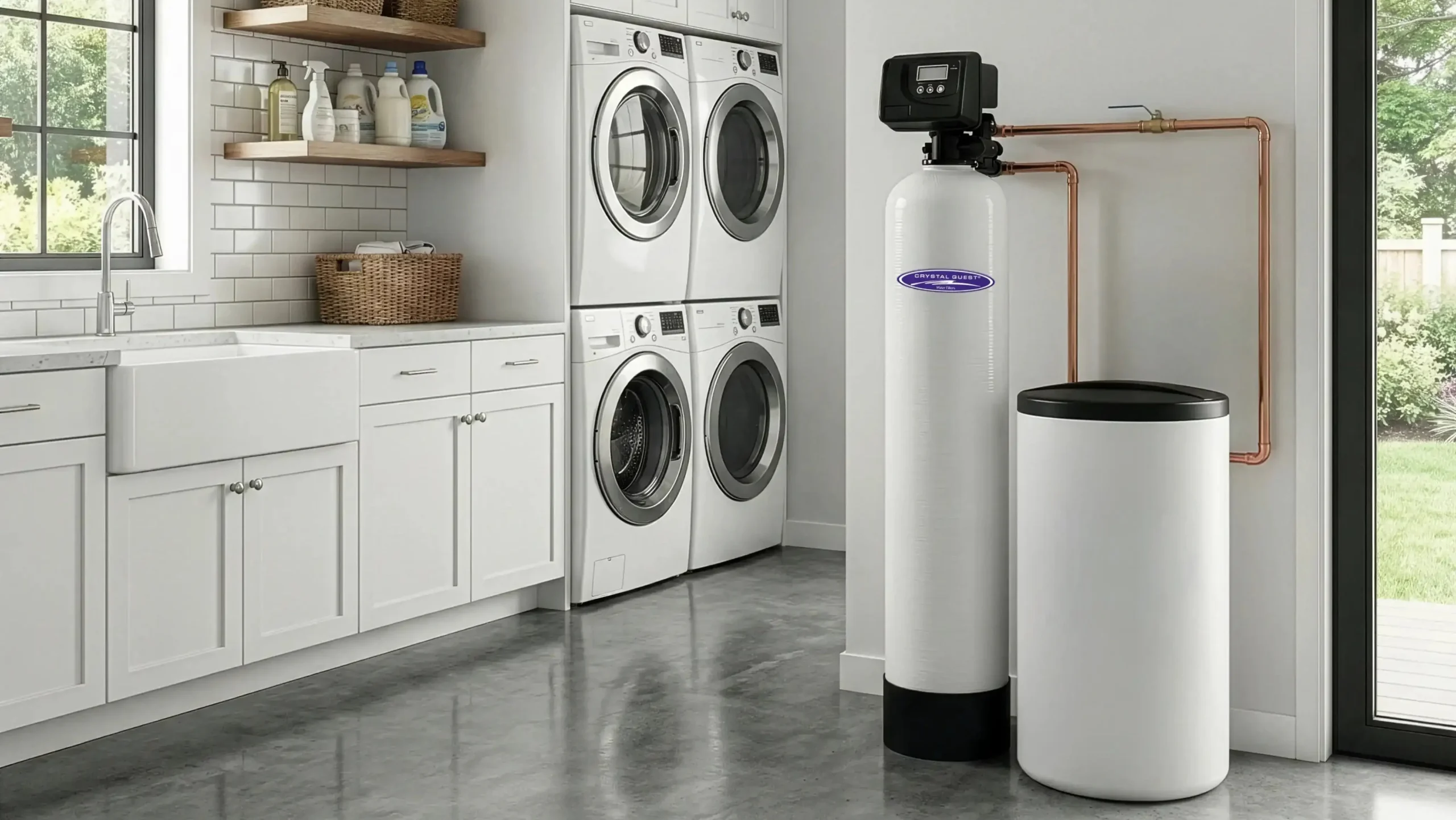
    This is where a high-quality water softener can make a noticeable difference. A properly sized softener reduces hardness minerals before the water travels through the home’s plumbing, helping reduce scale and making cleaning tasks a little less tiresome.

    There’s a comfort factor, too. Many people notice softer-feeling water when washing their hair or taking a shower. Laundry may feel different as well, particularly in homes where hard water is severe.

    But bigger isn’t always better. A softener should be selected according to water hardness and household consumption. An oversized unit may cost more than necessary, while an undersized system may struggle to keep up with demand.

    Filtration and Softening Aren’t the Same Thing

    This distinction causes plenty of confusion.

    A water softener is designed mainly to address hardness. A filtration system, depending on its technology, can target things such as sediment, chlorine, taste and odor, or specific contaminants.

    So if your main complaint is mineral scale, installing a filter and expecting it to behave like a softener may lead to disappointment. Conversely, if your concern is the taste or odor of drinking water, a softener may not be the solution you’re looking for.

    Some homes benefit from using both. For example, a whole-house softener can deal with hard water while a point-of-use filtration system provides additional treatment for drinking and cooking water.

    There isn’t a universal setup. Your water quality and household needs should drive the decision.

    Don’t Ignore Maintenance

    Even the best water treatment equipment needs attention. Filters have to be changed. Softener systems may require salt or other consumables. Components can wear out, and settings may need adjustment as household circumstances change.

    Neglecting maintenance can reduce performance and, in some cases, create new water-quality concerns.

    A maintenance schedule doesn’t have to be complicated. Mark filter replacement dates on your calendar, keep an eye on system indicators and pay attention to changes in water taste, pressure or appearance. If something suddenly seems different, don’t simply assume the equipment will fix itself.

    This is one reason choosing a local service provider can be useful. Someone familiar with the area’s water conditions may be able to diagnose common problems quickly and provide ongoing support without making you wait days for assistance from a distant company.

    Think About Long-Term Value

    Price matters, naturally. But water treatment equipment isn’t something you should evaluate solely by the initial purchase price.

    Consider operating costs, replacement filters, salt consumption, servicing and expected equipment life. A cheaper system that requires frequent replacements may cost more over several years than a better-built option.

    Also think about convenience. If you’re busy and don’t want to remember every maintenance task yourself, a service plan may have genuine value. If you’re comfortable handling basic maintenance, purchasing equipment outright might make more financial sense.

    The best solution is the one that fits both your water and your lifestyle.

    Better Water Starts With a Better Decision

    Improving your home’s water doesn’t have to become a technical rabbit hole. Start with testing, identify the specific issue, and then compare solutions based on what they actually do.

    If hardness is the problem, look at softening. If taste, odor or specific contaminants are the concern, explore appropriate filtration. And if you’re uncertain about installation or maintenance, getting advice from someone experienced can save plenty of frustration later.

    Good water treatment isn’t about buying the biggest system or choosing the most expensive package. It’s about solving the problem you actually have.

    Once you approach it that way, the choices become much simpler — and the reward is something you’ll notice every day, even if you don’t consciously think about it: cleaner fixtures, more comfortable showers, better-tasting water and a home that simply works a little better.

  • Settling In: What Happens After the Van Leaves

    Settling In: What Happens After the Van Leaves

    Most moving advice stops at the front door — book the removalist, pack the boxes, survive the day. But the truth is that the real work often begins once the last box is carried in and the van pulls away. Unpacking, adjusting to a new space, and sorting out the dozens of small administrative tasks that come with a change of address can take almost as much effort as the move itself. This guide picks up where most others leave off, focusing on what to do in the days and weeks after moving day, alongside how choosing the right removal company in the first place sets you up for an easier landing.

    Why the First Few Days Matter More Than People Expect

    There’s a natural temptation to collapse once the movers leave, and that’s fair enough — moving is exhausting. But how you handle the first 48 to 72 hours in a new home genuinely affects how smoothly everything else falls into place. Unpacking strategically, rather than randomly, and tackling admin early rather than letting it pile up, both make a noticeable difference to how quickly a house starts feeling like home.

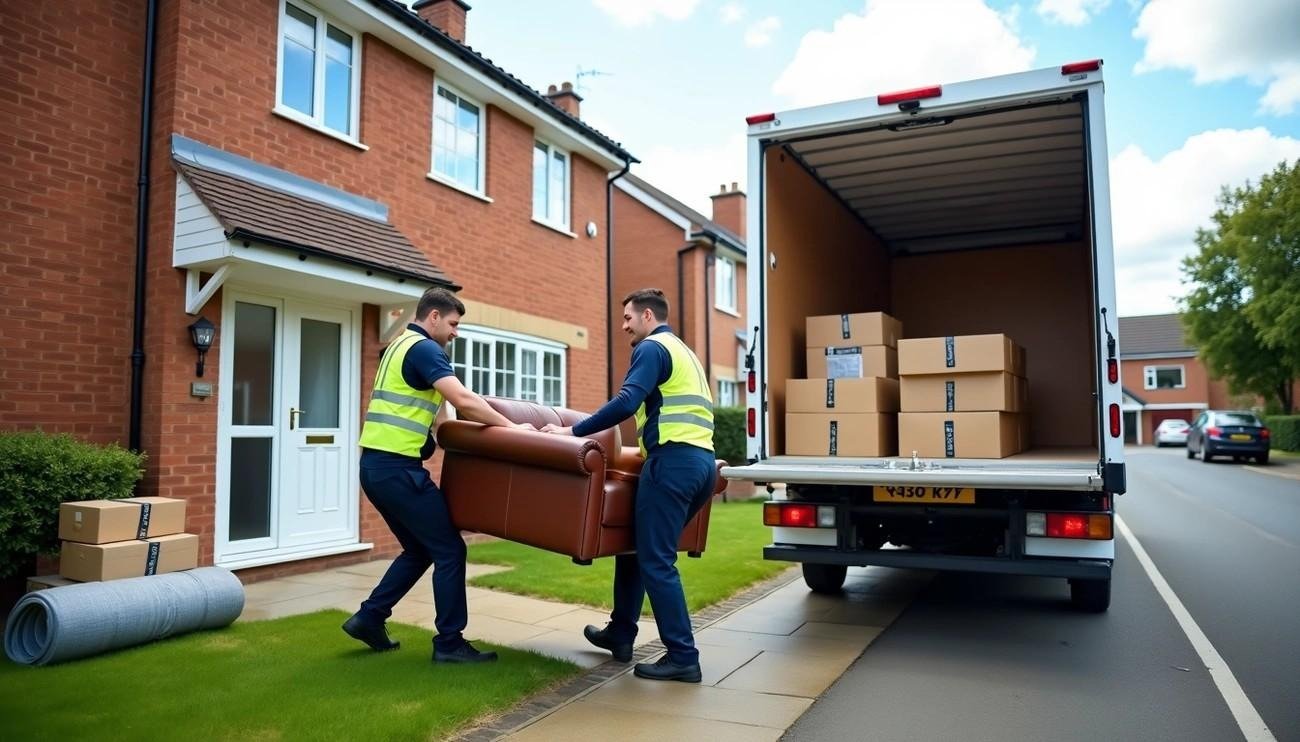
    A good removal company can help set this up well before the day even arrives. Professional Removals Brighton teams that label and load systematically, keeping boxes grouped by room rather than mixed together, make unpacking considerably faster and less chaotic once you’re actually in the new property.

    Unpacking Strategically, Not Randomly

    It’s tempting to unpack whatever’s closest or easiest first, but a more deliberate approach usually saves time overall.

    Start With the Kitchen and Bathroom

    These rooms get used constantly from day one, and having them functional early removes a lot of low-level stress. Prioritise unpacking kettles, basic cookware, toiletries, and towels before anything decorative.

    Set Up Beds Before Anything Else in Bedrooms

    Nothing improves the first night in a new home like a properly made bed rather than a mattress surrounded by boxes. This is worth doing even if the rest of the bedroom stays untouched for a few more days.

    Tackle One Room Fully Before Moving to the Next

    Partially unpacking five rooms at once creates more visual chaos than finishing one room completely before starting another. It also makes it easier to track what’s left, rather than losing sight of half-empty boxes scattered everywhere.

    Break Down Boxes as You Go

    Flattening empty boxes immediately, rather than letting them accumulate, keeps the space usable and makes the whole process feel more manageable psychologically, even if it’s a small thing.

    The Administrative Checklist Nobody Enjoys

    Somewhere between unpacking and settling in, there’s a list of practical tasks that need handling, usually within the first couple of weeks.

    • Register with a new GP and dentist, particularly if you’ve moved to a different area entirely.
    • Update your address with your bank, employer, and any insurance providers.
    • Redirect mail if you haven’t already arranged this before the move.
    • Register to vote at your new address.
    • Update your driving licence and vehicle registration details if you’ve changed regions.
    • Inform your energy and water suppliers of your move-in date and meter readings.

    None of this is exciting, but tackling it within the first two weeks prevents a backlog of forgotten admin that becomes harder to untangle the longer it’s left.

    Adjusting to a New Area

    Beyond the practical admin, there’s an adjustment period that comes with any new area, whether you’ve moved down the road or across the country. Finding a new routine, discovering local shops, and working out the best route to work or school all take a little time.

    For anyone who’s used Removals Chelsea UK services as part of a move into a new neighbourhood, it’s worth spending some early time simply exploring the local area on foot, rather than only experiencing it through the lens of moving logistics. Knowing where the nearest pharmacy, supermarket, or GP surgery is located makes a noticeable difference to how quickly the area starts feeling familiar rather than foreign.

    Dealing With the Emotional Side of Moving

    Moving home is consistently ranked among life’s more stressful experiences, even when it’s a positive change. It’s entirely normal to feel a mix of excitement and disorientation in the first week or two, particularly if the move involved leaving a long-term home, a familiar neighbourhood, or friends nearby.

    A few things help with this adjustment:

    • Give yourself permission to feel unsettled for a little while rather than expecting instant comfort.
    • Keep a few familiar routines intact where possible, whether that’s a regular walk, a particular morning coffee ritual, or a weekly phone call with friends.
    • Unpack personal, meaningful items reasonably early, even if practical rooms take priority — seeing familiar photos or objects can genuinely help a new space feel like home faster.
    • Be patient with the process; most people report feeling properly settled after a few weeks rather than immediately.

    Common Mistakes People Make After Moving In

    • Leaving admin tasks indefinitely, which tends to create a stressful backlog months later.
    • Trying to unpack everything in one exhausting weekend, rather than pacing the process sensibly.
    • Forgetting to check smoke alarms and safety features in the new property early on.
    • Not exploring the local area, which delays feeling settled longer than necessary.
    • Ignoring minor property issues discovered after moving in, rather than raising them promptly with a landlord or noting them for future maintenance.

    A Simple First-Two-Weeks Plan

    1. Day one to two: Unpack essentials — kitchen, bathroom, and bedrooms — and locate important documents and chargers.
    2. Day three to five: Handle urgent admin — address updates with your bank and employer, mail redirection confirmation, meter readings.
    3. Week two: Register with local GP and dentist, explore the neighbourhood, and continue unpacking remaining rooms at a manageable pace.
    4. Ongoing: Tackle decorative touches and any remaining boxes gradually, without pressure to finish everything immediately.

    Frequently Asked Questions

    How long does it typically take to feel settled after moving house?

    This varies widely, but most people report feeling reasonably settled within a few weeks, once the essential admin is handled and the home starts feeling lived-in rather than full of boxes.

    What should I unpack first after moving into a new home?

    Prioritise the kitchen, bathroom, and bedrooms, since these rooms affect daily comfort most immediately. Decorative and non-essential items can wait.

    How soon should I update my address after moving?

    Ideally within the first week or two, particularly for your bank, employer, and any insurance providers, to avoid missed correspondence or billing issues.

    Is it normal to feel unsettled after moving into a new home?

    Yes, this is a common experience, even when the move is a positive change. Giving yourself time and maintaining familiar routines where possible tends to ease the adjustment.

    Should I register with a new GP immediately after moving?

    It’s worth doing reasonably soon, particularly if you have ongoing prescriptions or health needs, since registration and appointment availability can sometimes take a little time to arrange.

    What’s the best way to avoid a chaotic unpacking process?

    Unpack room by room rather than jumping between spaces, prioritise functional areas first, and break down boxes as you empty them to keep the space manageable throughout.

    Moving day gets most of the attention, but the days that follow matter just as much for how quickly a new house starts feeling like an actual home. Unpack with intention, tackle the admin early, and give yourself reasonable time to adjust rather than expecting everything to click into place overnight. Combined with a removal company that sets you up well from the start, the transition from moving day chaos to settled routine becomes a lot less daunting than it first appears.

  •  A Better Air Conditioner Replacement Starts With the Right Team

     A Better Air Conditioner Replacement Starts With the Right Team

    Replacing an air conditioner isn’t something most homeowners plan for. Usually, the decision arrives after a few warning signs — the system needs another repair, some rooms won’t cool properly, or the monthly energy bill keeps creeping upward.

    Then comes the obvious question: should you repair the old unit again, or finally replace it?

    A new air conditioner can be a worthwhile investment, but the equipment itself isn’t the whole story. The quality of the assessment, installation, and follow-up service can have just as much influence on the final result.

    That’s why choosing the right HVAC professional matters.

    Knowing When Replacement Makes Sense

    Not every cooling problem means it’s time for a new system.

    A relatively young air conditioner with a straightforward mechanical issue may have plenty of life left. On the other hand, an older system that experiences repeated breakdowns and rising operating costs may be reaching the point where replacement is more practical.

    Look at the bigger picture.

    How old is the system? How much have you spent on repairs recently? Is it still keeping the home comfortable? Has its efficiency declined? Are replacement parts becoming harder to find?

    These questions can help put the decision into perspective.

    Why Experienced Technicians Matter

    A good replacement starts with an accurate assessment. That’s where experienced technicians can make a real difference.

    Rather than simply looking at the old unit and recommending something similar, a qualified technician should consider the property’s size, insulation, windows, ductwork, occupancy, local climate, and cooling requirements.

    This matters because the replacement system needs to be properly sized.

    An oversized air conditioner may cool the home quickly but cycle too often. An undersized unit can struggle during hot weather and run almost constantly.

    Neither outcome is ideal.

    What a Seamless Replacement Should Look Like

    The phrase seamless replacements sounds simple, but it involves quite a bit of planning behind the scenes.

    A professional replacement should begin with clear communication. Homeowners should understand what equipment is being recommended, why it’s appropriate, what the installation involves, and what costs are included.

    During installation, technicians may need to address electrical connections, refrigerant lines, drainage, duct transitions, thermostat controls, and system testing.

    The goal is to complete the work carefully while minimizing disruption to the household.

    Nobody wants an HVAC project to turn into an all-day guessing game.

    Efficiency Isn’t Just About the Equipment

    Many homeowners assume buying a high-efficiency air conditioner automatically guarantees lower energy consumption.

    It doesn’t.

    Equipment efficiency is important, but installation quality and system sizing also matter. If the system is poorly matched to the property, it may not operate as efficiently as expected.

    Ductwork can also affect performance. Leaks or inadequate insulation can allow cooled air to escape before it reaches the rooms.

    That’s why maximum efficiency comes from looking at the entire cooling system rather than focusing on one rating printed on a product label.

    The Importance of Proper Airflow

    Airflow is one of those things homeowners often don’t think about until it becomes a problem.

    If certain rooms remain warm while others are comfortable, there may be an issue with ductwork, vents, insulation, blower performance, or equipment sizing.

    A professional should evaluate airflow during a replacement project rather than simply connecting the new equipment to everything that already exists.

    Sometimes the existing ductwork is perfectly suitable. Sometimes repairs or adjustments are worthwhile.

    Finding out before installation can save headaches later.

    Don’t Forget About Indoor Humidity

    Temperature isn’t the only factor that affects comfort.

    A home can feel uncomfortable even when the thermostat shows the desired temperature if humidity isn’t properly controlled.

    This is another reason correct equipment sizing matters. An air conditioner that cycles too quickly may not remove moisture as effectively as a properly matched system.

    Good installation and system configuration can help the equipment provide more consistent cooling and humidity control.

    What Happens After Installation?

    The relationship with your HVAC contractor shouldn’t end when the new system starts running.

    Homeowners should understand how to operate the equipment, when to replace filters, and what maintenance is recommended.

    Professional maintenance can help keep the system operating properly by checking airflow, electrical connections, coils, drainage, and other important components.

    A little attention after installation can protect the investment and reduce the likelihood of unexpected problems.

    Don’t Choose a Contractor Based Only on Price

    Getting several estimates is sensible. But comparing only the final number can be misleading.

    Ask what’s included in the installation. Find out about equipment warranties, labor coverage, maintenance options, and follow-up support.

    Also consider communication. Does the contractor answer your questions clearly? Do they explain the recommended equipment without unnecessary pressure?

    A slightly higher quote from a reliable company may offer better long-term value than a cheap installation that creates problems later.

    Prepare Before the Old System Fails

    The best time to research replacement options is usually before your air conditioner stops working completely.

    If your system is getting older, needing frequent repairs, or struggling to keep the home comfortable, start gathering information now.

    You can compare equipment, contractors, warranties, and installation costs without the pressure of needing immediate cooling.

    That little bit of planning can make the entire process calmer.

    A New System Should Feel Like an Improvement

    Replacing an air conditioner should solve problems, not create new ones.

    With proper equipment selection, careful installation, reliable service, and regular maintenance, a new system can provide more consistent comfort and better long-term performance.

    The smartest approach isn’t necessarily buying the most expensive equipment available.

    It’s choosing a system that fits the property and working with professionals who understand how to install and maintain it properly.

    When those pieces come together, the result is refreshingly simple: a cooler home, fewer surprises, and an HVAC system you don’t have to think about quite so much.

  • Why Softer Water Can Make a Bigger Difference at Home Than You Think

    Why Softer Water Can Make a Bigger Difference at Home Than You Think

    Water is one of those everyday things we rarely question. We wash dishes with it, shower in it, make coffee with it, and fill the washing machine without giving much thought to what’s actually coming through the pipes.

    Then the little annoyances start adding up. A cloudy glass here. A crusty faucet there. Soap that doesn’t seem to rinse properly. Maybe your shower leaves your hair feeling dry, even after switching shampoos twice.

    In many homes, hard water is behind at least some of these frustrations. It isn’t usually a dramatic problem, but over months and years, mineral-rich water can affect plumbing, appliances, cleaning routines, and even how water feels against your skin.

    That’s where water softening can become useful. Not as a magic fix for every water concern, but as a practical way to make everyday household water easier to live with.

    What Hard Water Is Actually Doing

    Hard water contains higher levels of minerals, mainly calcium and magnesium. These minerals are naturally picked up as water travels through rocks and soil, especially in groundwater sources.

    You can often spot the signs without a laboratory test. White spots appear on glasses. Faucets develop chalky deposits. Showerheads become clogged. Soap doesn’t lather quite the way you’d expect.

    The effects can also happen where you can’t see them.

    Inside water heaters, mineral deposits can accumulate on heating elements. In plumbing fixtures, scale can gradually restrict water flow. Appliances that regularly heat water may be particularly affected.

    This doesn’t mean hard water is automatically unsafe. Rather, it can be a persistent household nuisance that becomes more expensive to ignore over time.

    Your Appliances May Be Feeling It Too

    Think about how many appliances use water every week: the dishwasher, washing machine, water heater, coffee maker, and sometimes an ice maker or humidifier.

    Repeated exposure to hardness minerals can contribute to scale inside water-using equipment. Over time, that buildup can make appliances work harder and may increase maintenance requirements.

    Protecting appliance life is one reason homeowners consider water softening. Reducing the minerals responsible for scale can help limit future deposits in equipment and plumbing.

    Of course, a softener doesn’t guarantee that an appliance will last forever. Maintenance, water temperature, usage patterns, and product quality all matter. Still, reducing one source of wear can be a sensible part of broader household maintenance.

    It’s a bit like changing the oil in your car. It doesn’t make the engine immortal, but you wouldn’t skip it and hope for the best.

    Softer Water Can Change the Shower Experience

    The shower is often where homeowners notice softer water most quickly.

    Hard water can interact with soaps and shampoos, making them harder to rinse completely. Mineral residue may remain on the skin or hair, leaving a rough or coated feeling.

    Some people report softer skin and hair after switching to softened water, particularly when their previous water was very hard. Softer water can also make soap and shampoo lather more easily, meaning you may need less product to get the same effect.

    That said, everyone’s experience is different. Skin and hair are influenced by climate, products, washing frequency, and personal sensitivity. Water softening shouldn’t be treated as a guaranteed beauty treatment.

    Still, if your shower has always left you feeling like you need another rinse, water hardness may be worth investigating.

    Cleaning Can Become Less Frustrating

    Hard water has a talent for making simple chores feel strangely difficult.

    You clean a sink, and a day later there are white marks again. You wash a glass, hold it up to the light, and there are spots everywhere. The shower door looks clean until sunlight hits it.

    Softened water can reduce the minerals that contribute to these deposits, which may make routine cleaning easier.

    You may also find that soap performs better. Without as much calcium and magnesium interfering with the lathering process, detergents can work more efficiently.

    This doesn’t mean your cleaning routine disappears. Unfortunately, the bathroom fairy isn’t coming. But you may spend less time fighting mineral residue.

    Choosing a System Isn’t One-Size-Fits-All

    The right water softener depends on several factors.

    Household size is one. A home with two people generally has different water demands than a home with six.

    Water hardness matters, too. Testing your water gives you a clearer idea of how much treatment capacity you’ll need.

    Then there’s water usage. Some systems regenerate based on a schedule, while others use demand-based controls to regenerate according to actual consumption. More efficient systems can potentially reduce unnecessary salt and water use.

    Installation space, budget, maintenance requirements, and local service availability should also be considered.

    A system that looks perfect online might not be ideal once it meets the realities of your basement, utility room, or plumbing layout.

    Why Personalized Advice Can Be Helpful

    There’s no shortage of water-treatment information online. That’s useful, but it can also get confusing quickly.

    One website recommends a particular capacity. Another says you need something larger. A third insists that a completely different technology is the answer.

    That’s where personalized recommendations can be valuable — provided they’re based on actual water conditions rather than simply a sales target.

    A professional should ideally ask about your water source, hardness level, household size, water consumption, existing plumbing, and the specific problems you’re trying to solve.

    The goal shouldn’t be to sell you the most complicated system available. It should be to find equipment that makes sense for your home.

    Don’t Forget Maintenance

    Water softeners aren’t completely hands-off.

    Salt-based systems need regular salt replenishment, and the system should be checked periodically. Resin and control components can eventually require servicing. If the equipment isn’t maintained properly, performance can decline.

    Before buying, find out how often maintenance is expected and what replacement parts cost.

    Also ask about warranties and service availability. A system is easier to live with when you know where to turn if something stops working.

    Long-term convenience matters just as much as installation day.

    Is Softened Water Worth It?

    For households with significant hard water, it can be.

    The benefits aren’t always dramatic or flashy. They’re often small improvements that accumulate: fewer mineral spots, easier cleaning, better soap performance, less scale inside plumbing and appliances, and a more pleasant shower.

    If your water is only mildly hard, you may decide the investment isn’t necessary. That’s perfectly reasonable. Testing gives you the information needed to make that call.

    The important thing is to avoid buying equipment simply because someone says every home needs it.

    A Small Change That Can Make Daily Life Easier

    Good home improvements don’t always have to be visible. Sometimes the best upgrades are the ones quietly working behind the scenes.

    A properly selected water softener can help reduce the everyday frustrations associated with hard water while supporting cleaner fixtures, more efficient household routines, and better protection for water-using equipment.

    Start with a water test. Understand the level of hardness. Think about how much water your household actually uses, then compare systems based on capacity, efficiency, maintenance, and long-term cost.

    You don’t need the biggest system or the fanciest features.

    You just need one that fits your home and does its job well. And honestly, when you turn on the shower or wash a glass and everything simply feels a little easier, that’s a pretty worthwhile improvement.

  • The Little Household Wins Nobody Warns You About

    The Little Household Wins Nobody Warns You About

    You know those small domestic victories that feel weirdly disproportionate to how minor they actually are? Like pulling a towel out of the dryer and it’s actually soft, not that stiff, scratchy texture you’d just gotten used to over the years. That happened to me a few months back, and I remember standing there in my laundry room genuinely surprised, like — wait, is this what towels are supposed to feel like?

    I hadn’t changed detergent. Hadn’t bought a new dryer. The only thing that changed was my water, after I finally got around to dealing with the hardness problem I’d been ignoring for way too long. And honestly, once that first load came out different, I started noticing all these other little shifts I hadn’t expected, one after another, like dominoes I didn’t know were lined up.

    The Laundry Thing Nobody Tells You About

    Let’s start with the towels, since that’s what actually got my attention. Hard water and laundry are not friends — the minerals in the water react with detergent in a way that leaves this stiff, almost waxy residue on fabric fibers. You don’t necessarily notice it happening gradually, you just kind of accept that towels feel a certain way and clothes lose their softness over time. I definitely did.

    Once the water situation got sorted, though, the difference in softer laundry wasn’t subtle at all. Towels actually felt like towels again. T-shirts didn’t have that slightly crunchy texture after air-drying. It sounds like such a small thing to get excited about, but there’s something genuinely satisfying about pulling clean laundry out and it just… feeling right, without you having to think about it.

    Then There Was the Dish Situation

    Okay, this one had been bugging me for actual years, not just months. No matter what detergent I used, no matter how careful I was loading the dishwasher, glasses always came out with this faint cloudy film. I tried rinse aids, different brands, even hand-drying everything for a while, which — let’s be honest — nobody sustains for long. I’d basically resigned myself to cloudy glasses being just a fact of life.

    Turns out it wasn’t the dishwasher’s fault, or the detergent’s fault, or even really my fault. It was the water. Once that got addressed, I started getting genuinely spot-free dishes for what felt like the first time in years. Glasses came out clear. Silverware didn’t have that hazy look. It’s such a mundane thing to feel proud of, but I caught myself holding a glass up to the light just to admire it, which — yeah, I know how that sounds, but try it sometime after years of cloudy dishes and you’ll get it.

    The Bigger Payoff You Don’t See Right Away

    Here’s the part that took a little longer to notice, but honestly matters more in the long run. All that mineral buildup I’d been dealing with wasn’t just cosmetic — it was quietly working against my appliances the whole time. Water heaters, dishwashers, washing machines, even my coffee maker, all of them were dealing with scale accumulation that made them work harder than they needed to.

    Since fixing the underlying water issue, I’ve noticed my appliances just seem to be running smoother, no unexpected repairs, no weird noises that used to make me nervous. It’s early to declare total victory, sure, but the trajectory toward extended appliance life feels pretty clear based on what I’ve read and what my plumber told me directly. Less mineral stress on heating elements and internal components generally means less wear over time, which, given how much appliances cost these days, feels like a pretty meaningful long-term win.

    Small Changes, Bigger Ripple Than Expected

    What surprises me most, looking back, is how many different corners of daily life were quietly affected by one root issue I’d never really investigated. Laundry, dishes, appliance performance — none of these felt connected to each other until I traced them all back to the same source. It’s kind of humbling, honestly, realizing you’d just adapted to a handful of annoyances instead of ever asking why they were happening in the first place.

    If you’re dealing with stiff towels, cloudy glasses, or an appliance that seems to be aging faster than it should, it might be worth asking the same question I finally got around to asking. Sometimes the fix isn’t complicated at all — it’s just a matter of noticing the pattern and deciding it’s worth chasing down. I wish I’d done it years earlier, honestly. But better late than never, as my grandmother used to say, usually about something far less mundane than water hardness.