Water is one of those things we rarely think about until something seems off. Maybe your morning tea has an unusual taste, your shower leaves your skin feeling dry, or white marks keep appearing on your kitchen taps no matter how often you clean them. These little frustrations can make you wonder whether the water coming into your home is as good as it could be.
The answer isn’t always as straightforward as buying a filter. Water quality varies by location, plumbing conditions, and the source of the supply. Some households need help with taste and odour, while others deal with mineral buildup or contaminants that require more specific treatment. Understanding what’s happening first can save money, prevent unnecessary equipment purchases, and help you make a better decision for your family.
What Affects the Quality of Household Water?
Water supplied by a municipal utility is generally treated to meet applicable drinking water standards before it reaches homes. Treatment commonly includes disinfection, and the utility may also use filtration or other processes depending on the water source.
However, water can still have characteristics that homeowners find unpleasant. Naturally occurring minerals may make water hard, while disinfectants can affect its taste or smell. Plumbing materials, especially in older buildings, may also influence water quality after it leaves the public distribution system.
A useful first step is to notice what you’re experiencing. Is the problem limited to one tap? Does it affect hot and cold water? Are there visible stains, unusual smells, or changes in taste? These observations won’t diagnose a water quality issue on their own, but they can help guide testing.
Your local water supplier’s quality report is another good starting point. If you use a private well, regular testing is especially important because monitoring responsibilities generally fall to the property owner.
Why Disinfection Matters
Water disinfection plays an essential role in reducing the risk of waterborne disease. Municipal suppliers may use chlorine, chloramine, or other approved methods to control harmful microorganisms as water moves through the distribution network.
Both chlorine and chloramine are used for this purpose, but they behave differently. Chloramine is formed by combining chlorine with ammonia and tends to remain in water longer, which can help maintain a disinfectant residual throughout distribution systems.
The presence of chlorine or chloramine isn’t automatically a sign that water is unsafe. These disinfectants are used to protect public health when managed according to applicable requirements. Still, some people notice a swimming-pool-like smell or an unpleasant taste, even when the water meets drinking water standards.
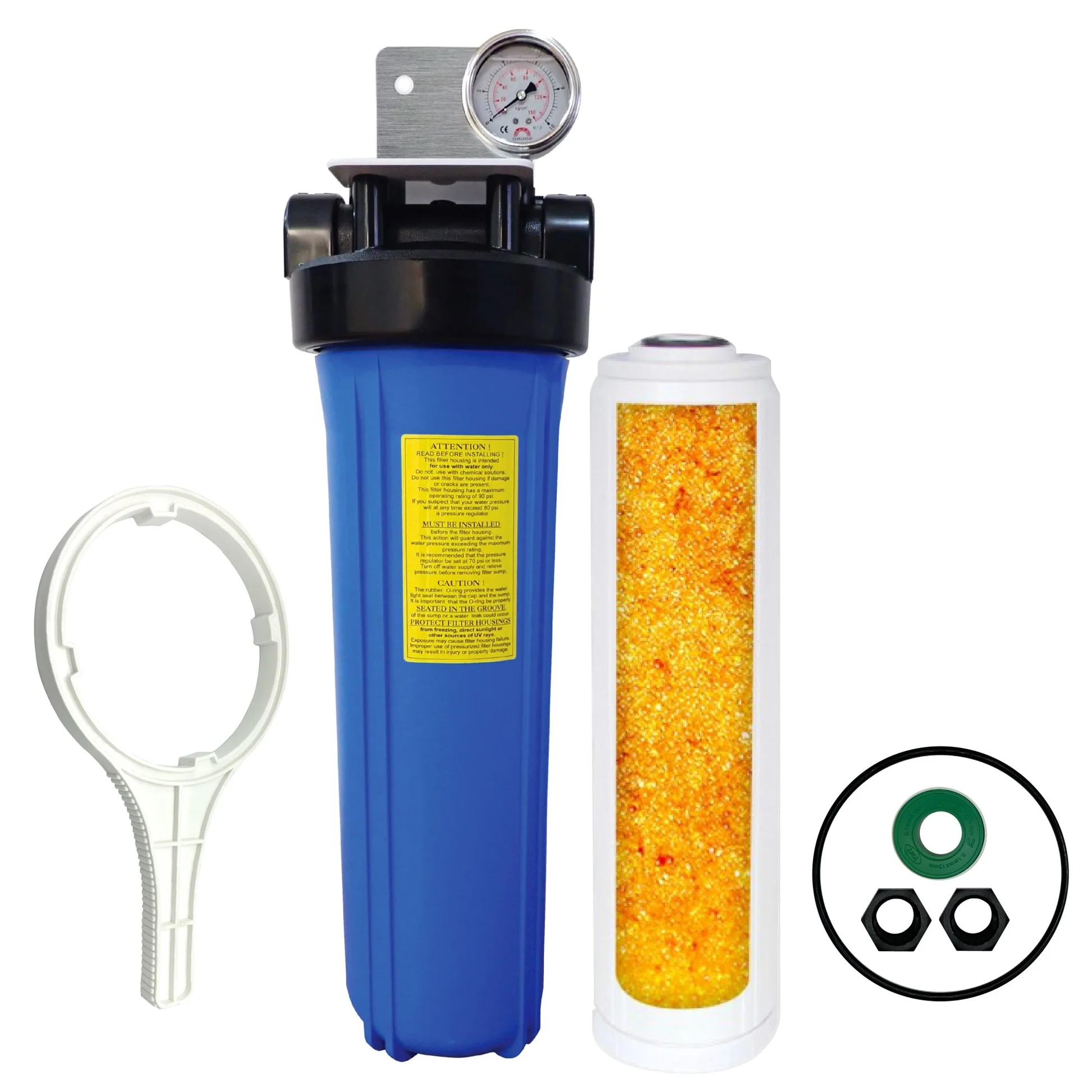
If taste and odour are your main concerns, an appropriately certified activated carbon filter may help reduce certain disinfectants. However, effectiveness varies by product. Some filters are designed to reduce free chlorine but may be less effective against chloramine unless specifically engineered and certified for that purpose.
Before choosing a filter, check exactly what it is designed to reduce. A broad claim such as “improves water quality” isn’t enough to tell you whether a product will address your particular concern.
What Does Better Filtration Actually Mean?
Filtration isn’t a single technology. Different filters work in different ways, and the best choice depends on which substances need to be removed or reduced.
Sediment filters capture particles such as sand, rust, and other suspended material. Activated carbon can reduce chlorine taste and odour, along with certain organic compounds. Reverse osmosis uses a semipermeable membrane to reduce a range of dissolved substances, depending on system design and operating conditions. Ultraviolet treatment can inactivate certain microorganisms but doesn’t remove dissolved salts or most chemical contaminants.
This is why superior filtration should mean effective treatment for a defined water quality problem, rather than simply a system with more stages or a higher price tag. A five-stage filter isn’t automatically better than a two-stage model. What matters is the performance of its components, the quality of its construction, and whether independent testing supports its claims.
Look for certification from recognised organisations, such as NSF, ANSI, or other appropriate bodies, and make sure the certification covers the specific contaminant you’re concerned about. A filter certified for chlorine taste reduction, for example, shouldn’t be assumed to remove lead, nitrate, or bacteria.
Also consider everyday practicality. How often must the cartridges be replaced? Is replacement media readily available? Will the unit fit beneath your sink? A technically impressive system that is difficult to maintain may not be the best choice for a busy household.
Hard Water and the Benefits of Softening
Hard water contains elevated levels of dissolved calcium and magnesium. These minerals are naturally present in many water sources and aren’t generally considered a health concern at typical drinking water concentrations. The bigger issue for homeowners is often the effect on cleaning and household equipment.
Hard water can leave spots on glasses, make soap less effective, and cause scale to build up inside kettles, water heaters, and pipes. Anyone who has spent a Saturday scrubbing stubborn white deposits from a shower screen knows how irritating it can be.
In these situations, water softening may be worth considering. Traditional ion-exchange softeners replace calcium and magnesium ions with sodium or potassium ions, reducing hardness and helping prevent new scale formation.
A softener isn’t the same as a drinking water purifier. It mainly addresses hardness rather than a broad range of contaminants, and it doesn’t make contaminated water safe by itself. Depending on the system, softened water may contain more sodium, so households with specific dietary concerns should discuss suitable options with a healthcare professional or qualified water treatment specialist.
Testing hardness before installation helps determine whether a softener is necessary and how much capacity your household may require.
Point-of-Use or Whole-House Treatment?
Another decision is where treatment should happen. Point-of-use systems are installed at a specific outlet, often the kitchen sink, and are commonly used for drinking and cooking water. Whole-house systems treat water where it enters the property, so the treated supply reaches multiple taps and appliances.
If your main complaint is the taste of drinking water, a kitchen filter may be sufficient. If hard water affects showers, laundry, and plumbing throughout the house, a properly sized softener could make more sense.
Some homes benefit from combining technologies, but avoid installing equipment without a clear reason. Each additional component brings installation costs and maintenance requirements. A professional assessment can help identify the most practical arrangement, particularly when test results reveal several different concerns.
Keep Your Water Treatment System Working
Buying a suitable system is only half the job. Filters need to be replaced according to the manufacturer’s instructions, softeners require correct operating settings, and treatment units may need periodic cleaning or servicing.
Keep a record of replacement dates and pay attention to changes in water flow, taste, or odour. If a system has a warning light or maintenance indicator, don’t ignore it. A neglected filter may no longer perform as intended.
If you suspect lead, microbial contamination, or another serious water quality issue, arrange appropriate testing and follow advice from your water supplier or public health authority. Don’t rely on taste, appearance, or an ordinary household filter to confirm that water is safe.
Make a Choice Based on Your Actual Needs
Good water treatment begins with understanding the problem. Review available water quality information, test where necessary, and choose equipment that addresses the results. Consider performance certification, maintenance requirements, installation space, and long-term operating costs before making a purchase.
There isn’t one perfect solution for every home. Some households need a simple carbon filter, others benefit from softening, and some require a more specialised treatment approach. The goal is to make an informed decision rather than pay for features that don’t solve a real problem.
When you know what’s in your water and how a treatment system works, you can approach the decision with greater confidence. That means fewer guesswork purchases, less frustration around the house, and a more practical way to look after one of the essentials of everyday life.