Most plumbing problems give you a little warning before they become serious. A drain starts moving slowly, an unpleasant smell appears near the bathroom, or a patch of grass in the yard looks greener than everything around it. Sometimes, though, the first sign is a sudden backup or a strong gas odor that demands immediate attention.
Sewer and gas lines aren’t parts of a home that people think about very often. They’re usually buried underground or tucked away out of sight, doing their jobs quietly. But when something goes wrong, the consequences can affect comfort, property, and safety. Understanding the warning signs and knowing when to call a qualified professional can save homeowners from unnecessary stress and expensive damage.
Recognizing the Early Signs of Sewer Trouble
A sewer line carries wastewater away from your home, so even a relatively small problem can disrupt everyday routines. You might notice that the kitchen sink drains slowly, the toilet bubbles when another fixture is used, or an unpleasant odor keeps returning despite regular cleaning.
One slow drain doesn’t necessarily mean the main sewer line is damaged. Hair, soap residue, food waste, and grease can create blockages in individual fixtures. However, when several drains begin acting up at the same time, the problem may be farther down the system.
Pay attention to recurring backups, gurgling sounds, and sewage odors around floor drains or in the yard. Outside, unexplained wet patches or depressions in the ground may indicate a leaking underground pipe. These symptoms can have other causes, so an inspection is the best way to identify what’s actually happening.
Tree roots are another common source of sewer trouble. Roots naturally seek moisture and can enter existing cracks or poorly sealed joints. Once inside, they may catch debris and gradually restrict wastewater flow. Older pipes can also crack, corrode, shift, or collapse as the surrounding soil changes.
Ignoring these signs rarely makes the underlying problem disappear. A professional assessment can establish whether the issue is a simple obstruction, localized pipe damage, or a more extensive failure.
Why Sewer and Gas Line Repairs Need Professional Attention
Sewer and gas lines may both run underground, but they present very different risks and require different repair methods. Sewer problems can expose occupants to contaminated wastewater, unpleasant odors, and property damage. Gas leaks can create an immediate fire, explosion, or health hazard.
Professional sewer and gas line repair begins with identifying the source and severity of the problem. For sewer systems, a plumber may examine the line, locate blockages, and determine whether cleaning or physical repairs are necessary. Damaged sections may need to be repaired or replaced, depending on the pipe material and condition.
Gas-line concerns require particular caution. If you smell gas, hear hissing near a gas line, or suspect a leak, leave the building immediately. Avoid operating electrical switches, using flames, or starting vehicles near the suspected leak. Once you’re at a safe distance, contact your gas utility or emergency services according to local guidance. Do not attempt to locate or repair a suspected gas leak yourself.
After the immediate risk has been addressed, a qualified and appropriately licensed professional can assess the gas piping and carry out any required work under applicable codes. The goal is not simply to stop a leak but to restore the system safely and verify that it can operate as intended.
How Camera Inspections Help Find Hidden Damage
One of the most frustrating parts of a sewer problem is not knowing what’s happening underground. Digging up a yard just to investigate can be disruptive, particularly if the pipe runs beneath a driveway, patio, landscaping, or a mature tree.
This is where sewer line camera inspections can be useful. A technician feeds a specialized waterproof camera into an accessible section of the sewer line. The live footage helps reveal the pipe’s internal condition and may show root intrusion, cracks, separated joints, accumulated debris, or areas where the pipe has begun to deform.
The camera also helps the technician understand where a problem is located. Combined with suitable locating equipment, the inspection can help narrow down the affected section before excavation or repairs begin.
Camera inspections aren’t necessary for every minor clog. A simple blockage close to a fixture may be resolved using routine drain-cleaning methods. But when blockages keep returning, several drains are affected, or underground damage is suspected, visual evidence can make the next decision much clearer.
Ask the technician to explain what the footage shows. Is there an actual structural defect, or is the issue primarily a buildup of debris? Does the damage appear localized? Are there signs that the pipe could fail elsewhere? A clear explanation helps homeowners understand why a particular repair is being recommended.
Traditional Excavation Versus Trenchless Repairs
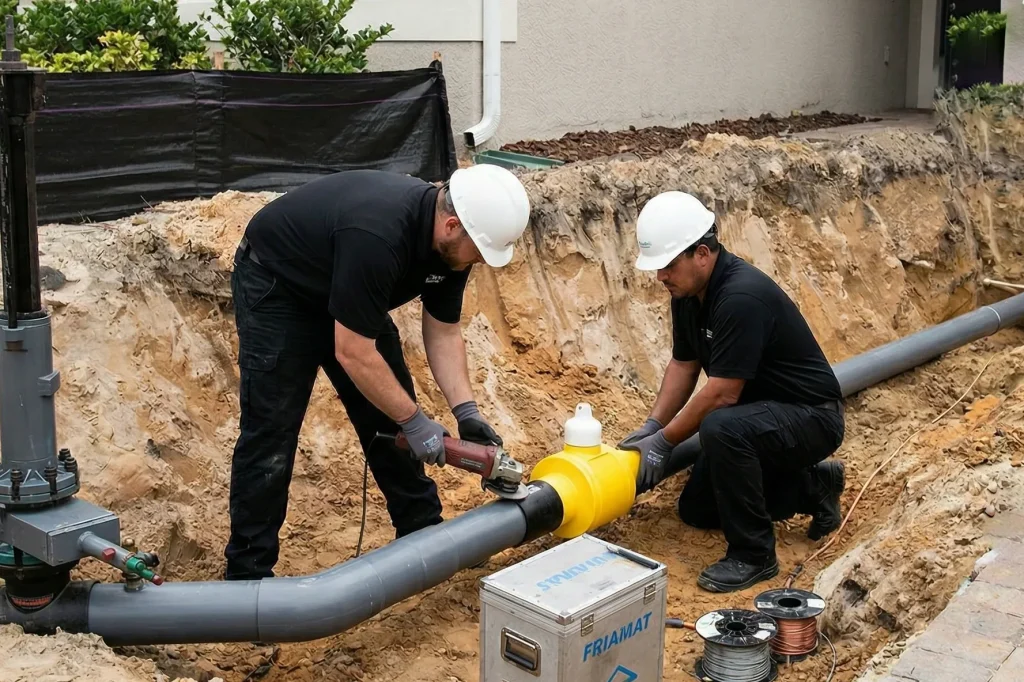
For many years, repairing an underground pipe usually meant digging a trench to expose the damaged section. Traditional excavation remains an effective option in plenty of situations, particularly when a pipe has collapsed, its alignment needs correction, or access is required for extensive reconstruction.
However, excavation can also disturb gardens, paving, driveways, and other features around a property. Restoring those areas may add time and expense to the project.
Depending on the pipe’s condition, location, and accessibility, a contractor may recommend trenchless pipe replacement as an alternative. Trenchless methods are designed to install or rehabilitate underground pipes with less surface excavation than conventional approaches.
The exact process varies. Pipe bursting, for example, breaks apart an existing pipe while drawing a replacement into position. Pipe lining uses a specially designed liner to create a new interior surface within a suitable existing pipe. These methods aren’t interchangeable, and not every damaged sewer line is a good candidate.
A pipe that’s badly collapsed, incorrectly graded, or inaccessible may still require excavation. Some trenchless techniques also reduce the pipe’s internal diameter slightly or have other design limitations that need to be considered.
Before agreeing to a repair, ask the contractor to explain why the proposed method suits your specific pipe. Compare the expected service life, warranty, access requirements, project timeline, and total cost, including any landscaping restoration. A less disruptive option can be appealing, but it must also solve the underlying problem properly.
What Affects the Cost of Sewer Line Work?
There isn’t one standard price for underground pipe repairs. Costs depend on the length and depth of the damaged section, pipe material, site accessibility, the extent of deterioration, and the method used.
A short repair in an accessible location may be relatively straightforward. A line running beneath a concrete driveway or close to other underground utilities can require more planning and labor. Extensive root intrusion, collapsed sections, and difficult soil conditions may also increase the scope of work.
Before work begins, request a written estimate that describes the recommended repair, the materials involved, and what’s included in the price. Ask whether permits, inspections, excavation, disposal, and surface restoration are included or billed separately.
It’s also worth finding out whether the contractor has inspected the affected line or is estimating based only on symptoms. The more clearly the problem has been identified, the easier it is to compare repair options fairly.
Preventing Problems Before They Escalate
No maintenance routine can prevent every pipe failure, but a few sensible habits can reduce the likelihood of avoidable blockages and help catch damage earlier.
Keep grease, cooking oil, wipes, and other unsuitable materials out of household drains. Use sink strainers where practical, and don’t flush items that aren’t intended for sewer systems. If your property has mature trees near an older sewer line, ask a plumbing professional whether periodic inspections would be useful.
Pay attention to recurring drain issues instead of repeatedly treating the symptoms. Chemical drain cleaners may damage some plumbing materials and won’t fix a cracked or collapsed pipe. If a blockage returns soon after clearing, further investigation is usually more useful than another temporary fix.
For gas systems, arrange inspections and maintenance according to the equipment manufacturer’s recommendations and local requirements. Never ignore the smell of gas or attempt a do-it-yourself repair.
Protecting Your Home Starts With the Right Diagnosis
Sewer and gas line problems can feel overwhelming because much of the damage happens out of sight. Still, early warning signs, appropriate inspections, and qualified professional help make it easier to respond before a manageable issue becomes a major disruption.
Start with an accurate diagnosis, ask questions about the available repair methods, and make sure safety requirements are taken seriously. Whether the solution involves clearing a blockage, repairing a damaged section, or replacing an aging pipe, the right approach should address the cause rather than simply hide the symptoms.
A little preparation goes a long way. Knowing what to watch for and whom to call can help protect your property, preserve your peace of mind, and keep essential plumbing systems working reliably for years to come.