
Water is part of almost everything we do at home. We use it to make morning tea, wash vegetables, clean the kitchen, and get ready for the day. Most of the time, we don’t give it much thought. Then something changes. Perhaps the water tastes a little strange, white marks keep appearing around the taps, or your kettle develops a thick layer of scale that seems impossible to remove.
It’s natural to wonder whether something is wrong. And once you start looking for answers, you’ll quickly discover there are plenty of filters, purification systems, and treatment services competing for your attention.
The challenge isn’t finding a product that promises better water. It’s figuring out what your water actually needs.
A little investigation can save you money, prevent unnecessary purchases, and help you choose a solution that makes everyday life easier. You don’t need to become a water expert to get started, either. You simply need the right information and a sensible plan.
Why Your Water Quality Deserves Attention
Water can look perfectly clear and still contain substances you wouldn’t want to overlook. On the other hand, water that appears cloudy isn’t necessarily contaminated. Understanding the difference is important, especially when you’re deciding whether a treatment system is worth the investment.
Common household complaints include unpleasant tastes, chlorine smells, mineral deposits, reddish stains, and sediment. Each can have a different cause.
Hard water, for example, contains elevated levels of calcium and magnesium. These minerals can leave deposits on taps, showerheads, and heating appliances. Iron may cause orange or brown staining, while chlorine used in municipal disinfection can affect the taste and smell of drinking water.
Some concerns require more attention than others. Certain contaminants cannot be detected by sight, taste, or smell, so appearance alone isn’t a reliable way to judge whether water is safe.
Your water source matters, too. Municipal supplies are generally treated and monitored, but local plumbing and storage conditions can still affect water quality. Private wells and borewells may require additional testing because their characteristics depend on local geology, groundwater conditions, and nearby activities.
If you notice a sudden change in your water, don’t ignore it. Contact your supplier or arrange appropriate testing before deciding what treatment is needed.
Start With the Problem, Not the Product
There’s a reason people sometimes end up with expensive equipment that doesn’t solve their original concern: they choose the technology before understanding the problem.
A water softener may help reduce scale caused by hardness, but it isn’t designed to remove every contaminant. An activated carbon filter can improve taste and reduce certain compounds, including chlorine, but it won’t necessarily address dissolved metals or microorganisms. Reverse osmosis can reduce many dissolved substances, depending on the system and its verified performance, but it isn’t automatically the right choice for every home.
Effective water treatment begins with identifying what needs to be removed or reduced.
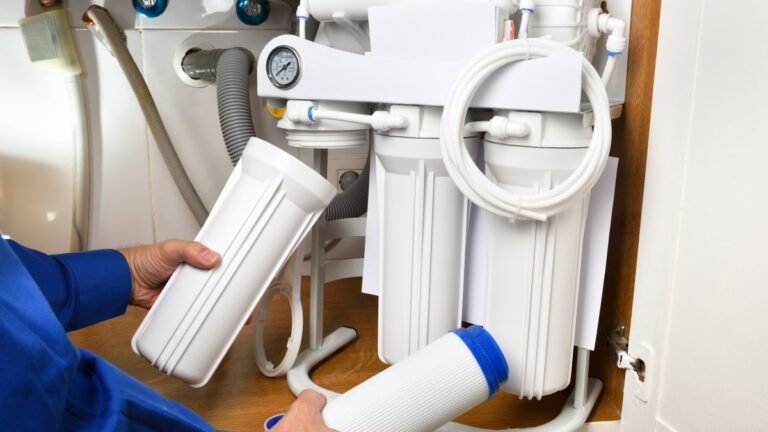
If your main concern is drinking water, a point-of-use system beneath the kitchen sink may be enough. If hard water is affecting showers, laundry, and appliances throughout the house, a whole-house softener might be more appropriate. Where sediment is present, a properly selected sediment filter may help protect downstream equipment.
Testing helps narrow the choices. Depending on your circumstances, you might check hardness, pH, total dissolved solids, or particular contaminants relevant to your water source. If there’s a specific safety concern, use a test designed to detect that substance rather than relying on a general water quality measurement.
The aim isn’t to buy as much equipment as possible. It’s to select a system that does the job you need it to do.
Why a Water Test Can Make Such a Difference
Imagine spending money on a new filter because your water tastes unpleasant, only to discover that the real issue comes from an old storage tank or a problem with the plumbing. It’s frustrating, and it happens more often than you might think.
A water test can provide a clearer starting point. Some providers offer a free water test as an introductory service, which may help you understand basic characteristics of your supply. Before arranging one, ask what’s included, which parameters are measured, and whether the test is conducted on-site or through a laboratory.
Free assessments can be useful, but they don’t all offer the same level of detail. A quick demonstration or basic screening should not be confused with comprehensive laboratory analysis. If you’re concerned about bacteria, arsenic, lead, or another specific contaminant, make sure the testing method is suitable for that purpose.
It’s also worth asking whether the provider will explain the results without immediately pushing a particular product. A trustworthy professional should be able to distinguish between a cosmetic inconvenience and a potential health concern.
If the results identify a problem, you’ll have a much better basis for comparing solutions. If they don’t, you may avoid purchasing equipment you don’t need.
That alone can make testing worthwhile.
Choosing a System That Fits Your Home
Once you understand the results, consider how your household uses water. A couple living in a small apartment may have different requirements from a large family in a house with several bathrooms and a private well.
Think about available space, water pressure, daily consumption, installation requirements, and access to replacement parts. Some systems fit neatly beneath a kitchen sink, while others need dedicated space near the main water supply. Certain technologies also require drainage, electricity, or regular replenishment of treatment materials.
Don’t overlook maintenance. Filters need replacement, softeners need servicing, and some purification systems require periodic performance checks. Ask how often components should be changed and what they cost.
When comparing products, look for credible certifications and performance claims that relate directly to the contaminants you’re trying to address. A long list of features isn’t necessarily a sign of better performance.
Get more than one quotation if the installation is substantial. Give each provider the same test results and household requirements so you can compare recommendations fairly. Ask what the system removes, what it doesn’t remove, and how its performance will be maintained.
Clear answers are a good sign. Vague promises and pressure to buy immediately are reasons to pause.
Keep Your Water System in Good Condition
Even a well-chosen treatment system needs attention. Replacing cartridges on schedule, cleaning storage tanks appropriately, and following the manufacturer’s maintenance instructions all contribute to reliable performance.
Keep a simple record of servicing dates. If the water develops an unusual taste, smell, or appearance after installation, investigate rather than assuming the system is still working perfectly.
Households using private wells should arrange regular testing based on local conditions and professional advice. Groundwater quality can change, and a treatment system that addresses one issue may not protect against every possible contaminant.
Remember that treatment equipment is only one part of the picture. Sound plumbing, clean storage, and good maintenance habits also help protect the quality of water reaching your taps.
Take the First Step Toward Better Water
You shouldn’t have to guess whether your water needs treatment or spend a fortune trying different products until something works. A more practical approach starts with observing the problem, testing where appropriate, and choosing equipment based on evidence.
If you’re unsure where to begin, contact us to discuss your water concerns, ask about available testing options, and understand which solutions may suit your property. A useful conversation should help you make an informed decision, not leave you feeling pressured into buying something immediately.
Better water isn’t necessarily about installing the most advanced system on the market. It’s about understanding what’s in your supply, addressing the issues that matter, and maintaining the solution properly.
Once you have that information, the next step becomes much simpler. And that’s a good place to start.