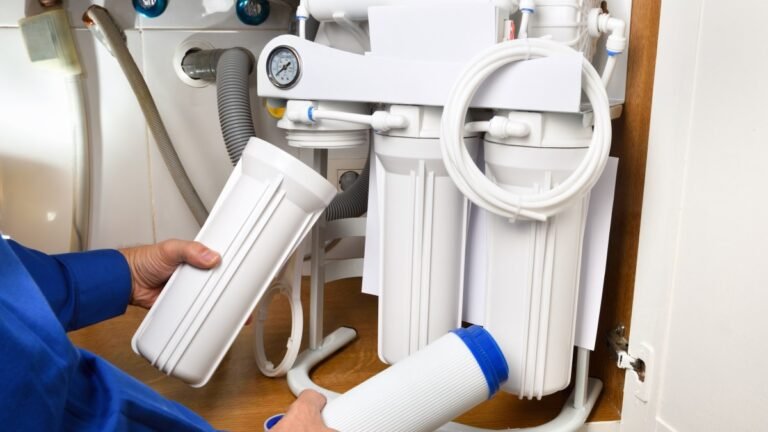
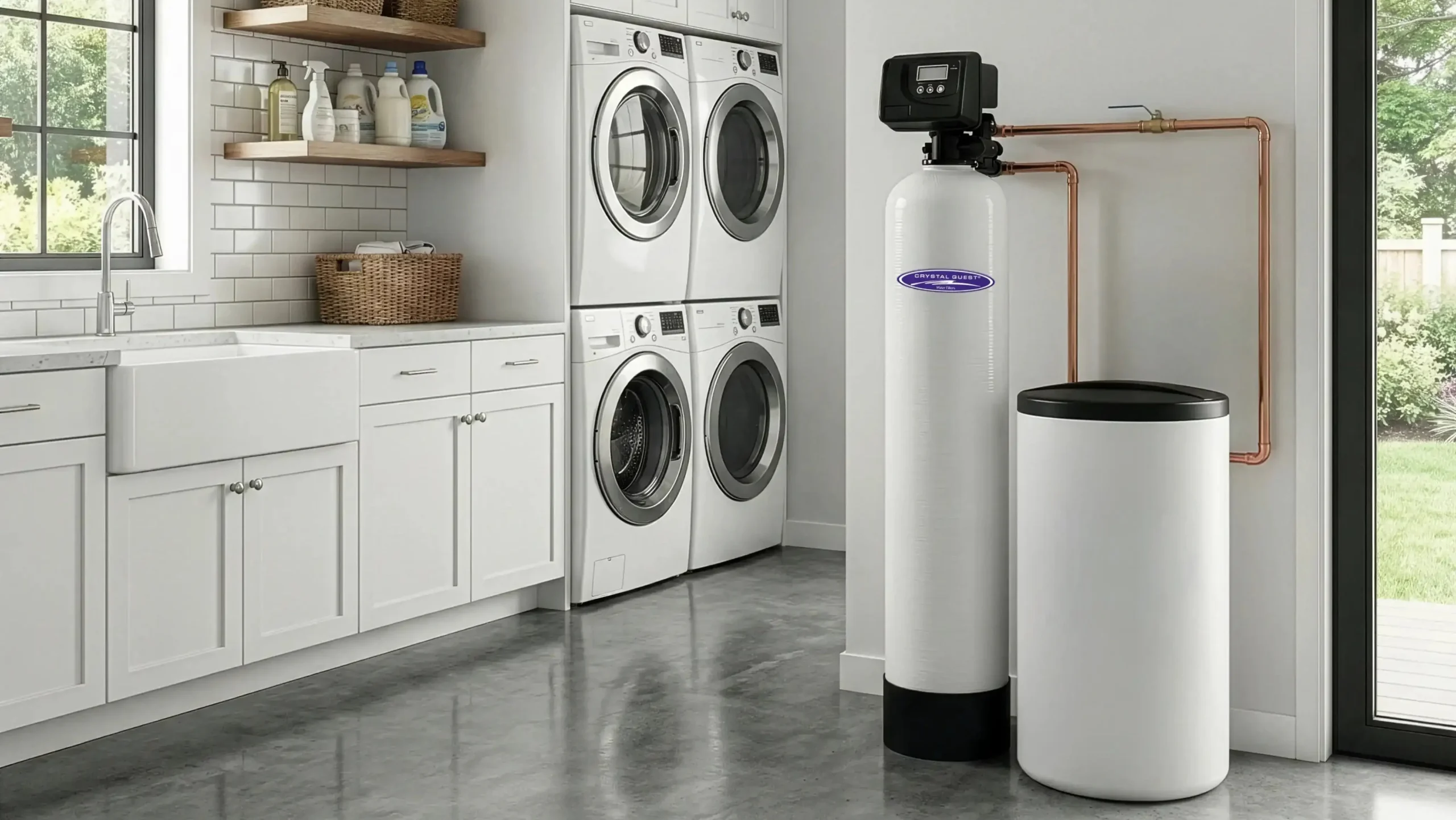
You know those small domestic victories that feel weirdly disproportionate to how minor they actually are? Like pulling a towel out of the dryer and it’s actually soft, not that stiff, scratchy texture you’d just gotten used to over the years. That happened to me a few months back, and I remember standing there in my laundry room genuinely surprised, like — wait, is this what towels are supposed to feel like?
I hadn’t changed detergent. Hadn’t bought a new dryer. The only thing that changed was my water, after I finally got around to dealing with the hardness problem I’d been ignoring for way too long. And honestly, once that first load came out different, I started noticing all these other little shifts I hadn’t expected, one after another, like dominoes I didn’t know were lined up.
The Laundry Thing Nobody Tells You About
Let’s start with the towels, since that’s what actually got my attention. Hard water and laundry are not friends — the minerals in the water react with detergent in a way that leaves this stiff, almost waxy residue on fabric fibers. You don’t necessarily notice it happening gradually, you just kind of accept that towels feel a certain way and clothes lose their softness over time. I definitely did.
Once the water situation got sorted, though, the difference in softer laundry wasn’t subtle at all. Towels actually felt like towels again. T-shirts didn’t have that slightly crunchy texture after air-drying. It sounds like such a small thing to get excited about, but there’s something genuinely satisfying about pulling clean laundry out and it just… feeling right, without you having to think about it.
Then There Was the Dish Situation
Okay, this one had been bugging me for actual years, not just months. No matter what detergent I used, no matter how careful I was loading the dishwasher, glasses always came out with this faint cloudy film. I tried rinse aids, different brands, even hand-drying everything for a while, which — let’s be honest — nobody sustains for long. I’d basically resigned myself to cloudy glasses being just a fact of life.
Turns out it wasn’t the dishwasher’s fault, or the detergent’s fault, or even really my fault. It was the water. Once that got addressed, I started getting genuinely spot-free dishes for what felt like the first time in years. Glasses came out clear. Silverware didn’t have that hazy look. It’s such a mundane thing to feel proud of, but I caught myself holding a glass up to the light just to admire it, which — yeah, I know how that sounds, but try it sometime after years of cloudy dishes and you’ll get it.
The Bigger Payoff You Don’t See Right Away
Here’s the part that took a little longer to notice, but honestly matters more in the long run. All that mineral buildup I’d been dealing with wasn’t just cosmetic — it was quietly working against my appliances the whole time. Water heaters, dishwashers, washing machines, even my coffee maker, all of them were dealing with scale accumulation that made them work harder than they needed to.
Since fixing the underlying water issue, I’ve noticed my appliances just seem to be running smoother, no unexpected repairs, no weird noises that used to make me nervous. It’s early to declare total victory, sure, but the trajectory toward extended appliance life feels pretty clear based on what I’ve read and what my plumber told me directly. Less mineral stress on heating elements and internal components generally means less wear over time, which, given how much appliances cost these days, feels like a pretty meaningful long-term win.
Small Changes, Bigger Ripple Than Expected
What surprises me most, looking back, is how many different corners of daily life were quietly affected by one root issue I’d never really investigated. Laundry, dishes, appliance performance — none of these felt connected to each other until I traced them all back to the same source. It’s kind of humbling, honestly, realizing you’d just adapted to a handful of annoyances instead of ever asking why they were happening in the first place.
If you’re dealing with stiff towels, cloudy glasses, or an appliance that seems to be aging faster than it should, it might be worth asking the same question I finally got around to asking. Sometimes the fix isn’t complicated at all — it’s just a matter of noticing the pattern and deciding it’s worth chasing down. I wish I’d done it years earlier, honestly. But better late than never, as my grandmother used to say, usually about something far less mundane than water hardness.