Most moving advice stops at the front door — book the removalist, pack the boxes, survive the day. But the truth is that the real work often begins once the last box is carried in and the van pulls away. Unpacking, adjusting to a new space, and sorting out the dozens of small administrative tasks that come with a change of address can take almost as much effort as the move itself. This guide picks up where most others leave off, focusing on what to do in the days and weeks after moving day, alongside how choosing the right removal company in the first place sets you up for an easier landing.
Why the First Few Days Matter More Than People Expect
There’s a natural temptation to collapse once the movers leave, and that’s fair enough — moving is exhausting. But how you handle the first 48 to 72 hours in a new home genuinely affects how smoothly everything else falls into place. Unpacking strategically, rather than randomly, and tackling admin early rather than letting it pile up, both make a noticeable difference to how quickly a house starts feeling like home.
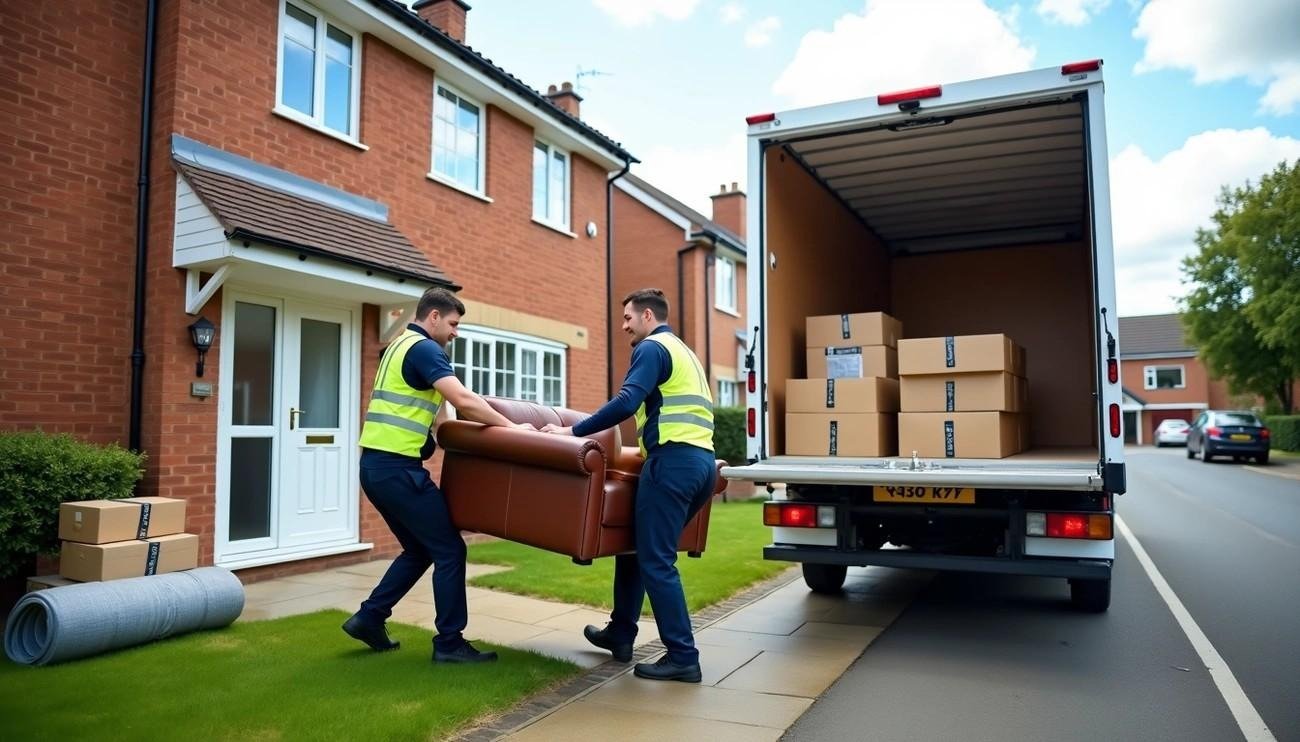
A good removal company can help set this up well before the day even arrives. Professional Removals Brighton teams that label and load systematically, keeping boxes grouped by room rather than mixed together, make unpacking considerably faster and less chaotic once you’re actually in the new property.
Unpacking Strategically, Not Randomly
It’s tempting to unpack whatever’s closest or easiest first, but a more deliberate approach usually saves time overall.
Start With the Kitchen and Bathroom
These rooms get used constantly from day one, and having them functional early removes a lot of low-level stress. Prioritise unpacking kettles, basic cookware, toiletries, and towels before anything decorative.
Set Up Beds Before Anything Else in Bedrooms
Nothing improves the first night in a new home like a properly made bed rather than a mattress surrounded by boxes. This is worth doing even if the rest of the bedroom stays untouched for a few more days.
Tackle One Room Fully Before Moving to the Next
Partially unpacking five rooms at once creates more visual chaos than finishing one room completely before starting another. It also makes it easier to track what’s left, rather than losing sight of half-empty boxes scattered everywhere.
Break Down Boxes as You Go
Flattening empty boxes immediately, rather than letting them accumulate, keeps the space usable and makes the whole process feel more manageable psychologically, even if it’s a small thing.
The Administrative Checklist Nobody Enjoys
Somewhere between unpacking and settling in, there’s a list of practical tasks that need handling, usually within the first couple of weeks.
- Register with a new GP and dentist, particularly if you’ve moved to a different area entirely.
- Update your address with your bank, employer, and any insurance providers.
- Redirect mail if you haven’t already arranged this before the move.
- Register to vote at your new address.
- Update your driving licence and vehicle registration details if you’ve changed regions.
- Inform your energy and water suppliers of your move-in date and meter readings.
None of this is exciting, but tackling it within the first two weeks prevents a backlog of forgotten admin that becomes harder to untangle the longer it’s left.
Adjusting to a New Area
Beyond the practical admin, there’s an adjustment period that comes with any new area, whether you’ve moved down the road or across the country. Finding a new routine, discovering local shops, and working out the best route to work or school all take a little time.
For anyone who’s used Removals Chelsea UK services as part of a move into a new neighbourhood, it’s worth spending some early time simply exploring the local area on foot, rather than only experiencing it through the lens of moving logistics. Knowing where the nearest pharmacy, supermarket, or GP surgery is located makes a noticeable difference to how quickly the area starts feeling familiar rather than foreign.
Dealing With the Emotional Side of Moving
Moving home is consistently ranked among life’s more stressful experiences, even when it’s a positive change. It’s entirely normal to feel a mix of excitement and disorientation in the first week or two, particularly if the move involved leaving a long-term home, a familiar neighbourhood, or friends nearby.
A few things help with this adjustment:
- Give yourself permission to feel unsettled for a little while rather than expecting instant comfort.
- Keep a few familiar routines intact where possible, whether that’s a regular walk, a particular morning coffee ritual, or a weekly phone call with friends.
- Unpack personal, meaningful items reasonably early, even if practical rooms take priority — seeing familiar photos or objects can genuinely help a new space feel like home faster.
- Be patient with the process; most people report feeling properly settled after a few weeks rather than immediately.
Common Mistakes People Make After Moving In
- Leaving admin tasks indefinitely, which tends to create a stressful backlog months later.
- Trying to unpack everything in one exhausting weekend, rather than pacing the process sensibly.
- Forgetting to check smoke alarms and safety features in the new property early on.
- Not exploring the local area, which delays feeling settled longer than necessary.
- Ignoring minor property issues discovered after moving in, rather than raising them promptly with a landlord or noting them for future maintenance.
A Simple First-Two-Weeks Plan
- Day one to two: Unpack essentials — kitchen, bathroom, and bedrooms — and locate important documents and chargers.
- Day three to five: Handle urgent admin — address updates with your bank and employer, mail redirection confirmation, meter readings.
- Week two: Register with local GP and dentist, explore the neighbourhood, and continue unpacking remaining rooms at a manageable pace.
- Ongoing: Tackle decorative touches and any remaining boxes gradually, without pressure to finish everything immediately.
Frequently Asked Questions
How long does it typically take to feel settled after moving house?
This varies widely, but most people report feeling reasonably settled within a few weeks, once the essential admin is handled and the home starts feeling lived-in rather than full of boxes.
What should I unpack first after moving into a new home?
Prioritise the kitchen, bathroom, and bedrooms, since these rooms affect daily comfort most immediately. Decorative and non-essential items can wait.
How soon should I update my address after moving?
Ideally within the first week or two, particularly for your bank, employer, and any insurance providers, to avoid missed correspondence or billing issues.
Is it normal to feel unsettled after moving into a new home?
Yes, this is a common experience, even when the move is a positive change. Giving yourself time and maintaining familiar routines where possible tends to ease the adjustment.
Should I register with a new GP immediately after moving?
It’s worth doing reasonably soon, particularly if you have ongoing prescriptions or health needs, since registration and appointment availability can sometimes take a little time to arrange.
What’s the best way to avoid a chaotic unpacking process?
Unpack room by room rather than jumping between spaces, prioritise functional areas first, and break down boxes as you empty them to keep the space manageable throughout.
Moving day gets most of the attention, but the days that follow matter just as much for how quickly a new house starts feeling like an actual home. Unpack with intention, tackle the admin early, and give yourself reasonable time to adjust rather than expecting everything to click into place overnight. Combined with a removal company that sets you up well from the start, the transition from moving day chaos to settled routine becomes a lot less daunting than it first appears.