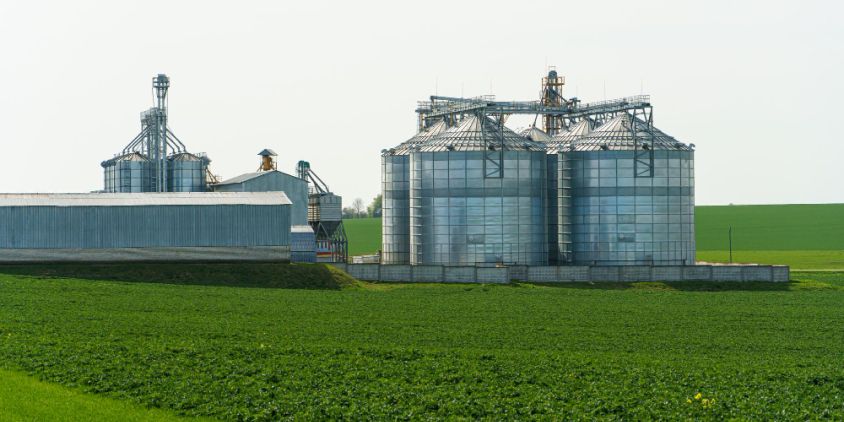
Agricultural projects often require significant investment, careful planning, and a clear understanding of market demand. Whether someone plans to establish a farm, develop a food processing facility, or expand an agricultural business, evaluating the project’s potential before investing is essential. A USDA Feasibility Study helps project owners examine important business factors, identify potential challenges, and determine whether a proposed agricultural development is financially and operationally realistic.
By reviewing market conditions, estimated expenses, available resources, and expected revenue, investors can make informed decisions rather than relying on assumptions. Proper planning also helps businesses prepare for financing discussions and build a stronger foundation for long-term success.
What Is a USDA Feasibility Study?
A USDA feasibility study is an assessment used to evaluate the practicality of agricultural, rural development, and related business projects. It examines whether a proposed project can meet its objectives under realistic market, financial, technical, and operational conditions.
The United States Department of Agriculture (USDA) supports various agricultural and rural development initiatives. Depending on the program, applicants may need feasibility analysis, business planning, financial projections, or other supporting documentation. The specific requirements vary by funding opportunity and project type.
A well-prepared study provides a structured overview of the proposed investment, helping stakeholders understand its potential benefits, limitations, and financial risks before committing substantial resources.
Why Is a Feasibility Study Important?
Agricultural businesses face several uncertainties, including changing commodity prices, seasonal production, labor availability, transportation expenses, and unpredictable weather conditions. Without proper evaluation, these challenges can affect profitability and delay project development.
A feasibility assessment helps identify these risks at an early stage. It also allows project owners to compare different business models, estimate funding requirements, and determine whether the expected returns justify the investment.
For lenders, investors, and project partners, a detailed assessment can demonstrate that the business concept has been carefully evaluated. Although it cannot guarantee financing or commercial success, it provides useful evidence for making better-informed decisions.
Key Components of a USDA Feasibility Study
1. Market Analysis
Market research examines demand for the proposed product or service, the target customer base, existing competitors, pricing trends, and distribution opportunities. For example, a food processing facility may need evidence that local farmers can supply sufficient raw materials and that buyers are interested in the finished products.
2. Financial Assessment
Financial analysis estimates startup costs, operating expenses, projected revenue, cash flow, and potential profitability. It may also evaluate break-even points, funding requirements, and different financial scenarios. Realistic assumptions are essential because overly optimistic projections can weaken the entire assessment.
3. Technical and Operational Review
This section examines land suitability, equipment, infrastructure, production capacity, staffing, utilities, and transportation access. The goal is to determine whether the proposed operation can function efficiently with the resources available.
4. Risk Assessment
Potential risks include supply shortages, regulatory requirements, market fluctuations, environmental concerns, and construction delays. Identifying these issues helps project owners develop practical strategies to reduce their impact.
How the Study Supports Funding Applications
A comprehensive assessment can strengthen a project’s documentation by explaining its purpose, commercial potential, expected costs, and operational requirements. Applicants pursuing eligible USDA programs should review the relevant program guidelines before commissioning the study.
Professional agricultural feasibility analysis can also help organize financial assumptions, market research, and implementation plans into a clear, evidence-based report. However, completing a study does not automatically establish eligibility or guarantee approval. Applicants must still meet the specific requirements of their chosen funding program.
Common Mistakes to Avoid
One frequent mistake is relying on outdated market information or unsupported revenue estimates. Another is underestimating maintenance, labor, insurance, and transportation costs. Some applicants also overlook permitting requirements or fail to explain how the project will remain sustainable over time.
To avoid these problems, use credible data, document financial assumptions, assess multiple scenarios, and ensure that the report addresses the project’s actual objectives. Reviewing the completed study before submission can help identify inconsistencies and missing information.
Conclusion
A USDA feasibility study can be a valuable planning tool for agricultural businesses, rural entrepreneurs, and investors considering new development opportunities. By examining market demand, financial performance, technical requirements, and potential risks, it provides a clearer picture of whether a project is practical and sustainable.
The most effective studies combine reliable research with realistic projections and project-specific recommendations. With careful preparation and an understanding of applicable USDA program requirements, businesses can approach investment decisions and funding applications with greater confidence.