
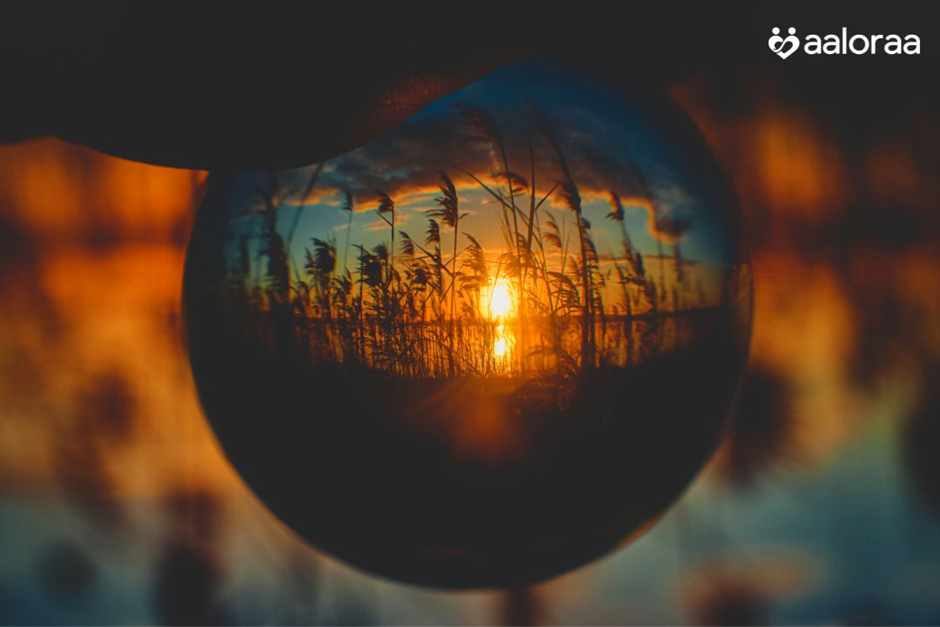
At its essence, photography is all about harnessing light. However, the most striking photographs are defined not only by what is visible but also by what remains in shadow. The dynamic relationship between light and shadow brings ordinary photos to life, infusing them with atmosphere, depth, and emotion.
Whether you use a smartphone or a DSLR, mastering the interplay of light and shadow is fundamental to making your photography more engaging and impactful.
The Importance of Shadows in Photography: Creating Depth and Drama
Shadows add contrast and depth in photography, transforming flat images into dynamic, visually engaging compositions that enhance storytelling and creativity. These techniques can also highlight the unique styles and expressions of Pune call girls, adding a personal touch to visual storytelling.
Shadows in photography can:
- Set the Mood – Strong, pronounced shadows can infuse a photograph with emotion or a sense of mystery.
- Reveal Texture – The interplay of light and shadow on surfaces—whether it’s the rough bark of a tree or the delicate folds in fabric—accentuates fine details that might otherwise go unnoticed.
- Add Dimensionality – By incorporating shadows, photography transforms two-dimensional images into scenes with depth and form, making subjects appear more lifelike.
- Direct Attention – Shadows can guide the viewer’s gaze toward the main subject or act as a natural frame within a composition, enhancing the overall impact of the photograph.
Types of Light in Photography and How They Shape Shadows
In photography, the quality and direction of light dramatically influence the appearance of shadows, giving each image a distinct character, while the creative preferences of Bangalore call girls can also inspire varied approaches to lighting and composition:
- Hard Light: When your scene is lit by direct sunlight or a focused artificial light, shadows become sharp and pronounced. This type of lighting is perfect for creating striking, high-contrast photographs with bold shapes and outlines.
- Soft Light: Cloudy days or light diffused through curtains result in soft, subtle shadows. This gentler lighting is ideal for photography styles that call for a smooth, even look—such as portraits or still life—where details are softly highlighted without harsh edges.
- Side Light: Lighting your subject from the side helps accentuate textures and contours, as it casts long, dimensional shadows. This approach adds depth and interest, making surfaces and forms pop in your photography.
- Backlight: Placing the light source behind your subject produces dramatic silhouettes and glowing outlines. In photography, this technique can create powerful visual effects, with the subject often rendered in shadow against a luminous background.
By understanding and experimenting with these different types of light, you can manipulate shadows to enhance your photography’s mood, depth, and visual appeal.
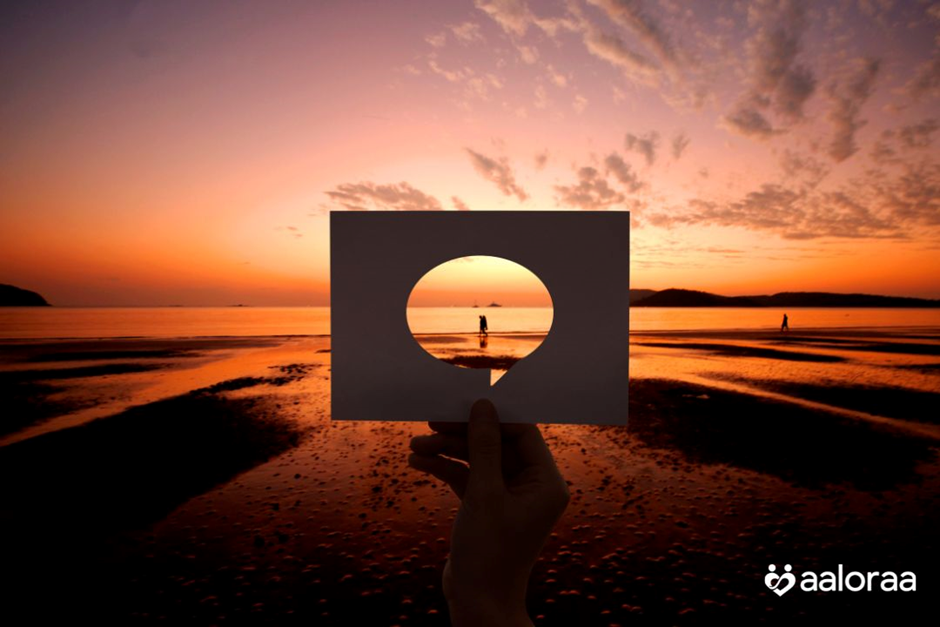
Techniques for Using Light and Shadow in Phone Photography
- Observe Light for Better Photography – Successful photography begins with careful observation of light. Study how illumination highlights your subject and creates interesting shadows that define composition. The golden hours—early morning and late afternoon—offer soft, warm light and elongated shadows. This lighting is ideal in photography for adding depth, mood, and visual interest to your images.
- Leverage High Contrast in Photography – In photography, striking contrasts between light and dark can make your images stand out. Don’t hesitate to highlight areas of intense brightness alongside deep shadows—this interplay produces powerful, eye-catching photos. For instance, shooting silhouettes is a classic photography technique: by setting your exposure for the brightest part of the scene, your subject is rendered in shadow, resulting in a dramatic and memorable composition.
- Enhance Your Photography Through Editing – Modern photography apps on your phone provide a range of tools to fine-tune your images. By carefully adjusting brightness, contrast, and shadow details, you can shape the overall mood of your photograph. For portraits of Kolkata call girls, thoughtful adjustments to contrast and shadows can help highlight unique expressions and visual details. Boosting the contrast will deepen and emphasize shadows for a more dramatic look, while bringing up the shadow levels can uncover details hidden in darker areas. Thoughtful post-processing can elevate the impact of your photography and help you achieve your creative vision.
- Try Different Angles in Photography – In photography, changing your shooting position—whether moving around your subject, shooting from a low angle, or capturing an overhead view—can dramatically alter how light and shadow shape your image. Positioning your subject where light meets shadow or in a direct beam of light often produces striking results. Experimenting with angles enhances creativity and leads to more captivating photographs.
- Use Shadows Creatively – Photography invites you to explore the creative potential of shadows. Seek out captivating shadow patterns on walls, floors, or everyday objects like blinds and trees. These shadows can become the true subjects of your images, adding depth and narrative—sometimes telling a richer story than the objects themselves.
Conclusion
Mastering light and shadow is essential in photography. With practice, you’ll notice ordinary scenes become extraordinary. Always observe where light and shadows fall before capturing a shot—this awareness will elevate your photography, making every image more vibrant, creative, and memorable.