High-Performance Composite Technologies Shaping Modern Drones and UAV Systems
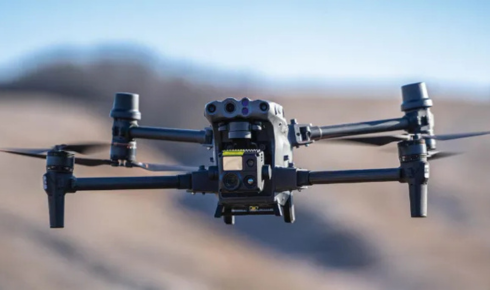
The global drone industry is advancing at an impressive pace, driven by applications in defense, agriculture, infrastructure inspection, logistics, cinematography, and emergency response. One of the most critical factors behind this growth is material innovation, especially the increasing use of composites for drones. These advanced materials enable lighter structures, higher strength, improved durability, and better overall flight performance, making them essential for modern unmanned aerial platforms.
Drones and unmanned aerial vehicles (UAVs) operate under demanding conditions, including vibration, thermal variation, wind loads, and long flight hours. Traditional metals often struggle to meet these requirements without adding unnecessary weight. UAV composites solve this challenge by offering exceptional strength-to-weight ratios and excellent fatigue resistance. Carbon fiber, glass fiber, and hybrid composites are now widely used to build frames, wings, fuselages, propellers, and payload housings.
As unmanned systems expand beyond simple drones into complex platforms, UAS composite materials have become even more important. These materials allow engineers to customize mechanical properties based on mission needs. For example, high-stiffness composites are ideal for fixed-wing surveillance UAVs, while impact-resistant composite blends are preferred for multi-rotor drones operating in urban or confined environments. This flexibility helps manufacturers design specialized UAVs without compromising safety or efficiency.
One of the biggest advantages of composite materials is aerodynamic optimization. Smooth, seamless surfaces reduce drag and improve lift, directly contributing to longer flight times and better fuel or battery efficiency. In battery-powered UAVs, every gram saved translates into additional minutes of airtime. This makes composites a strategic choice for endurance-focused missions such as mapping, border patrol, and environmental monitoring.
Manufacturing technologies have also evolved alongside composite adoption. UAV prepregs play a vital role in achieving aerospace-grade quality and consistency. Prepregs are fibers pre-impregnated with controlled amounts of resin, ensuring uniform material distribution and superior structural performance. They reduce manufacturing defects, improve surface finish, and deliver predictable mechanical properties, which is especially important for high-performance and defense UAV programs.
Another key development in this space is the emergence of snap cure composites. These advanced resin systems significantly reduce curing time while maintaining high strength and thermal stability. Faster curing enables higher production rates, making snap cure technology highly attractive for commercial drone manufacturers scaling up operations. Reduced cycle times also help lower production costs, supporting competitive pricing in a rapidly growing market.
Durability and environmental resistance are additional benefits of composite-based UAV structures. Composite materials resist corrosion, moisture absorption, and chemical exposure far better than many metals. This makes them ideal for drones operating in harsh environments such as coastal areas, deserts, and high-altitude regions. Over time, this resistance reduces maintenance requirements and extends the operational lifespan of UAV platforms.
Sustainability is becoming an increasingly important consideration in aerospace manufacturing. Lightweight composite UAVs consume less energy during operation, indirectly reducing environmental impact. At the same time, manufacturers are exploring recyclable resins, thermoplastic composites, and bio-based fibers to improve end-of-life sustainability. These innovations align with global efforts to make aviation and unmanned systems more eco-friendly.
Looking to the future, composite technology will continue to push the boundaries of drone capabilities. Innovations such as nano-reinforced composites, multifunctional materials with embedded sensors, and hybrid fiber systems promise smarter, stronger, and more adaptive UAV structures. As autonomy, payload demands, and mission complexity increase, composite materials will remain at the core of UAV design and performance.
In summary, advanced composite materials are no longer optional in the drone industry—they are foundational. By enabling lightweight structures, aerodynamic efficiency, rapid manufacturing, and long-term durability, composites are shaping the next generation of UAV and UAS platforms worldwide.